

My YouTube channel, Mental Health in the Movies, is having the intended effect! People are starting to recognize patterns of abuse in neglect in themselves and others. They are asking questions about what abuse and neglect look like.
If my clients are representative of what is “average,” lots of people think they had a “fine” childhood and really don’t know that they were abused or neglected.
How can this be?
It’s obvious that something is wrong when the child has discipline issues or is struggling. But when the child gets good grades, is clean, attends class regularly, and blends in, it can be easy to overlook that on the inside, they can’t breathe.
They are smiling on the outside, so they might not even know that anything is wrong. The signs of abuse are sometimes subtle or even invisible. So, let’s see if we can clear this up!
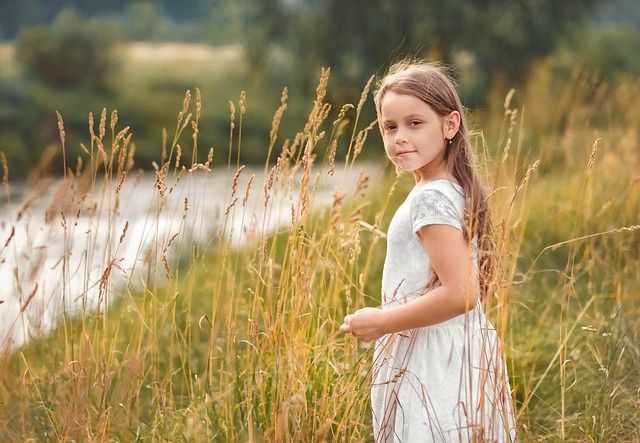
What “Fine” Really Means
If I am “fine,” this could mean that I have learned how to cover up my anxiety or distress. Getting good grades, being helpful or pleasing, quiet, or entertaining could be a way of keeping the heat off.
If I am “faking fine,” this could be hiding chronic anxiety, self-blame, shame, or emotional disconnection. This could lead to loneliness and dysfunctional relationships later in life because I haven’t learned how to relate honestly or with vulnerability.

Emotional or Psychological Abuse
Emotional abuse is persistent criticism, humiliation, rejection, or manipulation.
Children learn that it’s not safe to feel and emotions are meaningless. They may feel worthless and not good enough. As they grow up, they can struggle with emotional control, empathy, and intimacy because it wasn’t modeled.
Here are some examples of Emotional Abuse or Neglect. This is not a complete list, but it’s specific enough to give you an idea of whether your parents were close to, or over, the line.
- criticism
- humiliating or shaming (making fun of their interests, looks, friends, etc.)
- name calling
- blaming or scapegoating
- threatening
- silencing (“Stop crying or I’ll give you something to cry about.”)
- shouting, yelling, or screaming
- sarcasm
- witnessing abuse or drug taking
- manipulating
- bullying
- gaslighting (“That never happened.”)
- false accusations
- controlling
- intimidation
- forcing a child to do degrading things
- conditional love (withholding love if the child doesn’t get A’s)
- ignoring (parents are too self-absorbed to notice child’s feelings or needs)
- relying on the child to care for the parent’s needs (“Rub my back. Make my dinner.”)
- threats of abandonment (“I’ll have to go away if you don’t behave”)
- constant negative comparisons to siblings or others
- being overprotective so they don’t learn how to cope with stress or experience failure

Neglect
Neglect is a failure to provide adequate care.
Physical neglect is failure to provide things like adequate shelter, food, clothing, supervision, and protection. Perhaps these children are not clean or well groomed. Maybe they were left alone for hours at a time.
Emotional neglect is ignoring or consistently overlooking emotional needs. It’s being absent. If physically present, it could be that the parent is emotionally checked out, cold, unresponsive, and lacking in validation. This parent doesn’t promote the child’s wellbeing or development.
Educational neglect is failing to ensure appropriate learning opportunities.
Medical neglect is failing to provide for the child’s health, dental, and mental health needs.
While having inadequate finances can contribute to neglect, the primary feature of neglect is emotional. It comes from a lack of attention and care.
Physical Abuse
Physical abuse is the use of force that causes physical harm or fear of harm — even if the marks are “minor.” This is done to punish past behavior or control present or future behavior. It teaches the child that might makes right and that love and violence coexist. It may result in aggression or victimhood in adulthood as our children learn how to love by watching their parents.
Examples of physical abuse are:
- hitting, punching, strangling, slapping, shaking, pushing, pulling, grabbing, hair pulling or “spankings” that leave bruises
- yanking or restraining in anger
- throwing things
- spitting
- burning or scalding
- suffocating
- making someone swallow something that makes them ill or that hurts
If a child flinches when you raise your voice or hand, they almost assuredly have experienced physical abuse. No child should live in fear of being harmed for making a mistake.
Sexual Abuse
Any sexual behavior that is imposed on a child is abusive. It leaves children feeling ashamed, fearful, and confused. They learn not to trust themselves or others. Sexually abused children tend to engage in sex prematurely, but without connection, so sex is transactional rather than a loving act of intimacy and vulnerability.
Here are some examples of sexual abuse:
- age-inappropriate exposure to sexual behavior, images, or messages (including in video games or cartoons)
- sex acts of any kind (children cannot give informed consent)
- coercion to sexual behavior/ grooming
- unwanted kissing or touching- even of relatives (“Give your grandma a kiss!”)
- degrading sexual remarks
- creating photographs or movies of sexually suggestive acts involving children
- forced prostitution
- bestiality
- necrophilia
- sodomy
- incest
- rape
- sex trafficking
- “accidentally” walking in on a child bathing or getting dressed
- allowing others to use your children sexually
- not protecting your children from sexual predation

Spiritual Abuse
When religion or spirituality is used to control, shame, or disconnect a child from developing a health sense of self and community, it is abusive. A huge sign that this has happened is a constant fear of divine punishment.
Here are some other signs:
- distorting or misusing religious text to coerce, control, demean, or take advantage of someone else
- manipulating tenets of faith to serve your own interests to the detriment of others
- ignoring or minimizing other points of view
- forcing children to be reared in a faith that the other parent hasn’t agreed to
- forcing an older child to attend a church that they do not agree with
- classifying normal behavior or questions as “sinful”
- using prayer or religious obedience as proof of a person’s worthiness
- withholding spiritual guidance or belonging, so the child has no moral guidance

What “Fine” Looks Like as a Grown-up
I’ve had lots of clients come into therapy not knowing why they were there or what sort of change they were looking for because they appear rather normal. They are average to high performing. They take care of business. They typically have a romantic relationship, but they are “fine, not fine.”
They tend to be perfectionistic, people-pleasing, stressed out people who carry too much responsibility. They have chronic anxiety or may feel emotionally numb. Their partners are typically someone they can control, although they may resent that they feel they have to control them. And they definitely don’t do trust!
This is generational trauma. Their parents didn’t have the skills or support to parent them in healthy ways. While they may not make the same mistakes their parents did (and sometimes they do because that’s what they learned), they don’t know how to parent their kids in a healthy way either because they never learned how.
How to Heal Now
The first step to healing is to recognize this for what it is and accept it without judgment. It is what it is. Bring it out of the dark and acknowledge it.
Next stop the behaviors that allow the cycle to continue. If you are doing this to your kid or partner, stop. If you are coping the way you did as a child, stop.
This isn’t easy until you learn new, healthy coping strategies. I highly recommend DBT or RO-DBT. They are great skills that everyone can benefit from that improve present moment awareness, emotional regulation, and relationships.
Finally, get trauma therapy to heal the triggers. Without this step, you can make lots of improvements, only to be set back to step one when you are triggered by something from the past.
It’s not enough to simply get away and to put a stop to the abusive behavior. Abuse and neglect create negative self-beliefs and maladaptive coping strategies. All that has to be rewired too.
This is imperative because most children are abused by their parents. It’s not strangers stalking our kids. It’s us. This is the social epidemic that no one is talking about. And we can stop it, by taking a look at ourselves.
So, let’s get real, and let’s get started!